Worth shelling out for: Clarence Court celebrates its 90th birthday
Published 1 September 2018
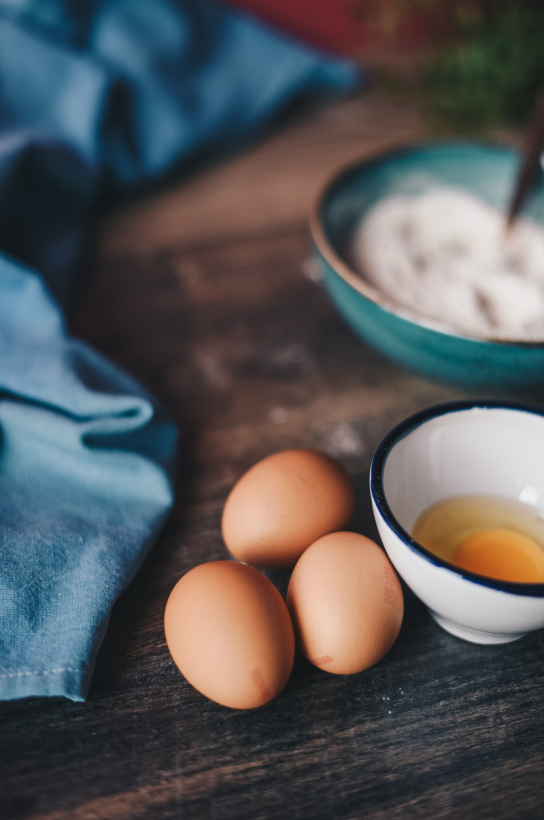
As Clarence Court celebrates its 90th birthday, Kate Woodcock caught up with Adrian Gott at the company’s Wiltshire HQ to talk about why this speciality egg producer is the leading choice for chefs and restaurateurs.
Best known for its ‘Burford Brown’ and ‘Old Cotswold Legbar’ kitchen favourites, Clarence Court is name checked on some of London’s top menus, supplying their free range eggs to more than 500 restaurants and hotels. The Goring, Claridge’s, Soho House and The Ritz are just some of them. At its packing centre near Chippenham in Wiltshire, the surroundings are less urban, more Farrow & Ball – from the eggboxes to the luxuriant greenery out the window. Managing director Adrian Gott is here to explain how he turned the humble British egg into a luxury brand statement.
So how do you take such a basic British commodity as the humble egg, and turn it into an affordable luxury?
First off, Gott tells me in an faint north-west accent, getting here wasn’t easy. “Eggs are not very sexy, we work really hard to make them cool,” he says, whilst showing me some of their packaging, including a ‘summer’ egg box decorated with hens in sunglasses beneath parasols.
Gott is not new to the poultry business. His grandmother owned and ran delicatessens in Cumbria supplying speciality poultry and game, while his father pioneered the trend for chicken-in-a-basket on pub menus in the 70’s and 80’s. So, he admits, it was “always in the blood”.
Nevertheless he graduated in commercial property before coming home to roost (sorry) in 2004 “as an apprentice” at Stonegate, owners of Clarence Court, where he was tasked with turning this loss-making speciality producer around (he went on to buy the business in 2016). Gott explains that although investment had already been made into the speciality breeds,“they had got a bit ahead of themselves and increased the supply, but hadn’t created the market”.
In order to get the eggs talked about, Gott understood he needed to create traction “amongst those with credibility” from the start. One of the first things he did was consult his uncle, Peter Gott of Sillfield Farm, who advised him to get his eggs into the hands of London chefs and food cognoscenti. Peter’s stall in Borough Market proved “the ideal hub”, enabling Adrian to brush shoulders with the chefs, offering them samples in exchange for valuable feedback.
This approach was met by initial reluctance by some, who pointed out that their core business was in retail, but Gott was determined to befriend the restaurant industry, insisting this was what was needed in the long term. In the beginning he tells me “I left the farm at 5am in the van and drove into London to ensure the eggs got into the right hands”.
Today his tenacious approach has paid off. They deliver six days a week and have a full-time telesales team taking down chefs’ orders, as well an app for out-of-hours orders. It is a dedicated service, reflective of Gott’s own determination to keep building relationships with the best in the industry. Daily orders come in for hen and duck eggs, as well as guinea fowl, ostrich, quail, emu and rhea – the list goes on. “Every order is bespoke. Some chefs prefer to have them in five dozen cases, some prefer them in 30 dozen… some prefer smalls, some want double yokers. It’s personal.”
For Gott, London is “the heartland and epicentre of food”, and he is proud that their core business was in retail, but Gott was determined to befriend the restaurant industry, insisting this was what was needed in the long term. In the beginning he tells me “I left the farm at 5am in the van and drove into London to ensure the eggs got into the right hands”.
Today his tenacious approach has paid off. They deliver six days a week and have a full-time telesales team taking down chefs’ orders, as well an app for out-of-hours orders. It is a dedicated service, reflective of Gott’s own determination to keep building relationships with the best in the industry. Daily orders come in for hen and duck eggs, as well as guinea fowl, ostrich, quail, emu and rhea – the list goes on. “Every order is bespoke. Some chefs prefer to have them in five dozen cases, some prefer them in 30 dozen… some prefer smalls, some want double yokers. It’s personal.”
For Gott, London is “the heartland and epicentre of food”, and he is proud of the service his company provides, as well as the high retention rate of their restaurant customers, who make up around five per cent of their business, (the bulk being retailers such as Waitrose and Sainsbury’s).
As well as operating their own rearing and laying farms, and feed mill, I ask what it is that essentially sets them apart. “Feed and breed” comes the quick answer, as it is these that give the eggs those distinctive rich, golden yolks and “globular whites” as opposed to the “forced, insipid yolks” that are always such a disappointment when served – I am given an excellent tutorial on how to test any egg for freshness and quality before I so much as crack the shell. Handy.
Mark Hix has said he only cooks with Clarence Court eggs, to which Gott responds, “Hixy was a real advocate and helped me a lot…He uses the eggs in all his restaurants and always name checks – it’s reciprocal.” Gott becomes animated when recounting a recent egg demonstration evening with Hix, “he did it all himself, cooking quail egg shooters and floating islands in his kitchen”.
So where next?
Gott is pleased to tell me that Dishoom has recently come “back on board” after a short hiatus. Looking forward, though, he says they are always exploring ways to improve the current offering: “We’d like to keep improving the service… we probably should have a London hub to capitalise on better service and reduce food miles, but we never knew it would grow to being what it is today.”
It wasn’t too far from Chippenham that in 1928 the British botanist Clarence Elliott brought three araucana hens from Patagonia. It was these blue-egg-laying birds, scratching around in Stow-on-the-wold, from which “the breed” has descended. It’s a cracking story (sorry, again).
This article was first published in Issue 16 of CODE Quarterly. To subscribe, please click here
ADVERTISEMENT

ADVERTISEMENT